Solar & Renewables
Solar that suits your life, not a package off a shelf.
Every home is different. We size your system to your roof, your power bill, and how you actually live, then show you the numbers. Here’s everything worth understanding first.
The basics
How rooftop solar works
Four steps, no mystery. This is the whole system.
Panels catch sunlight
Panels on your roof turn daylight, not just direct sun, into usable electricity for your home.
The inverter converts it
An inverter turns that solar energy generated into usable power your home runs on.
Your home uses it first
Solar power runs your appliances before you buy a single unit from your power company.
Excess power is sold or stored
Any excess power charges your battery for nighttime use or is sold to the grid for credit on your power account.
Batteries, honestly
Do I actually need a battery?
Maybe, maybe not. A battery stores your excess daytime solar energy so you can use it at night instead of buying power back from the grid. Whether that stacks up depends on where you live and when you use power.
If your evenings are power heavy, with the heat pump on, dinner cooking and the EV charging, a battery earns its keep faster. If you work from home all day and use little power at night, exporting excess to the grid may serve you better.
We’ll tell you straight either way. All our systems are designed battery-ready, so you can add one later if your needs change.
In the city: Christchurch
Reliable grid, competitive buy-back options. A battery is often a lifestyle and savings choice rather than a necessity. We’ll assess your needs before recommending one.
Rural Canterbury: Amberley to Ashburton
Longer lines, more power outages, bigger sections. Backup power carries real weight out here, and batteries more often make the cut on resilience alone.
Our promise: if you don’t need a battery yet, we’ll say so, and design the system so one can be added later.
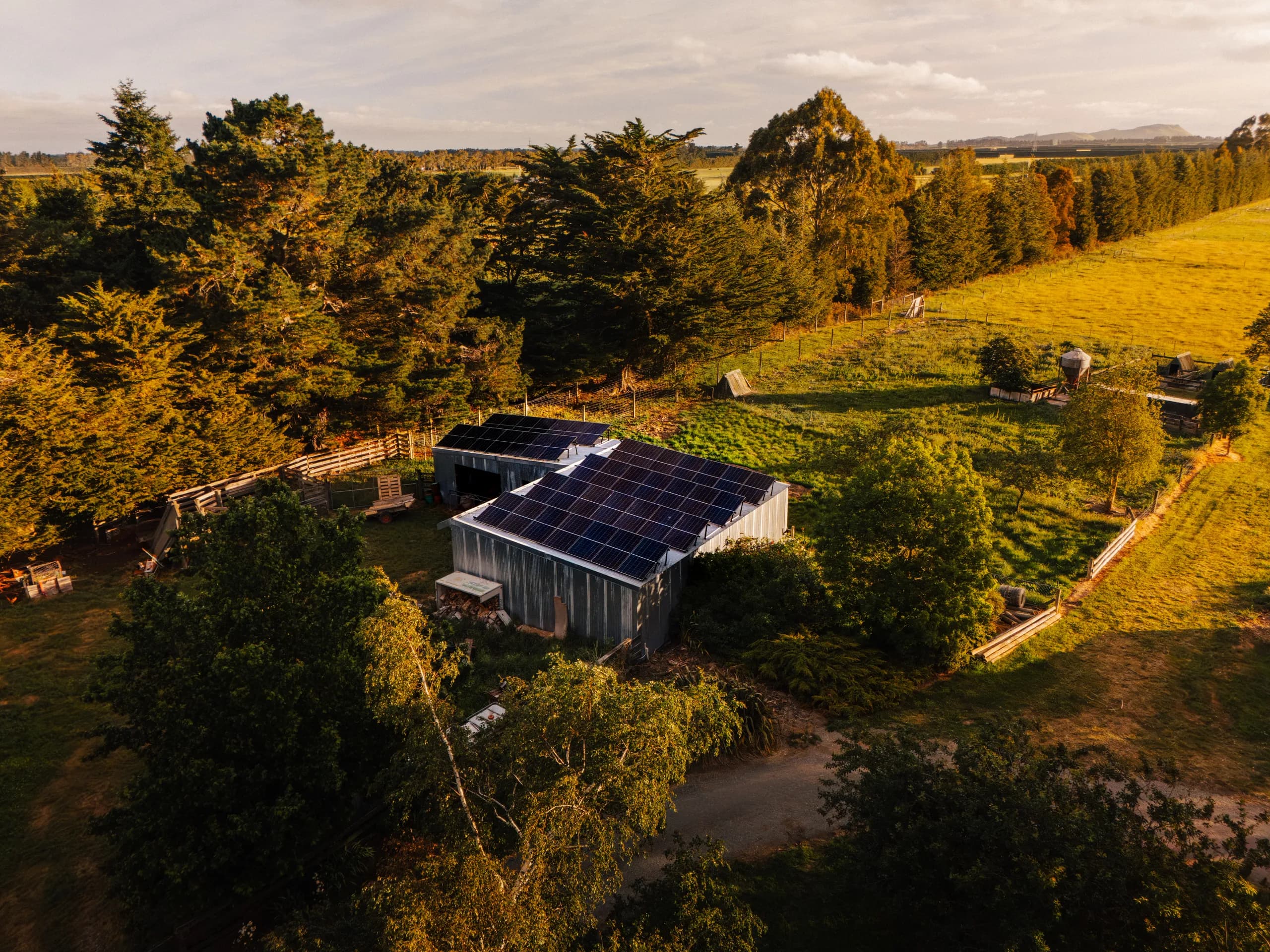
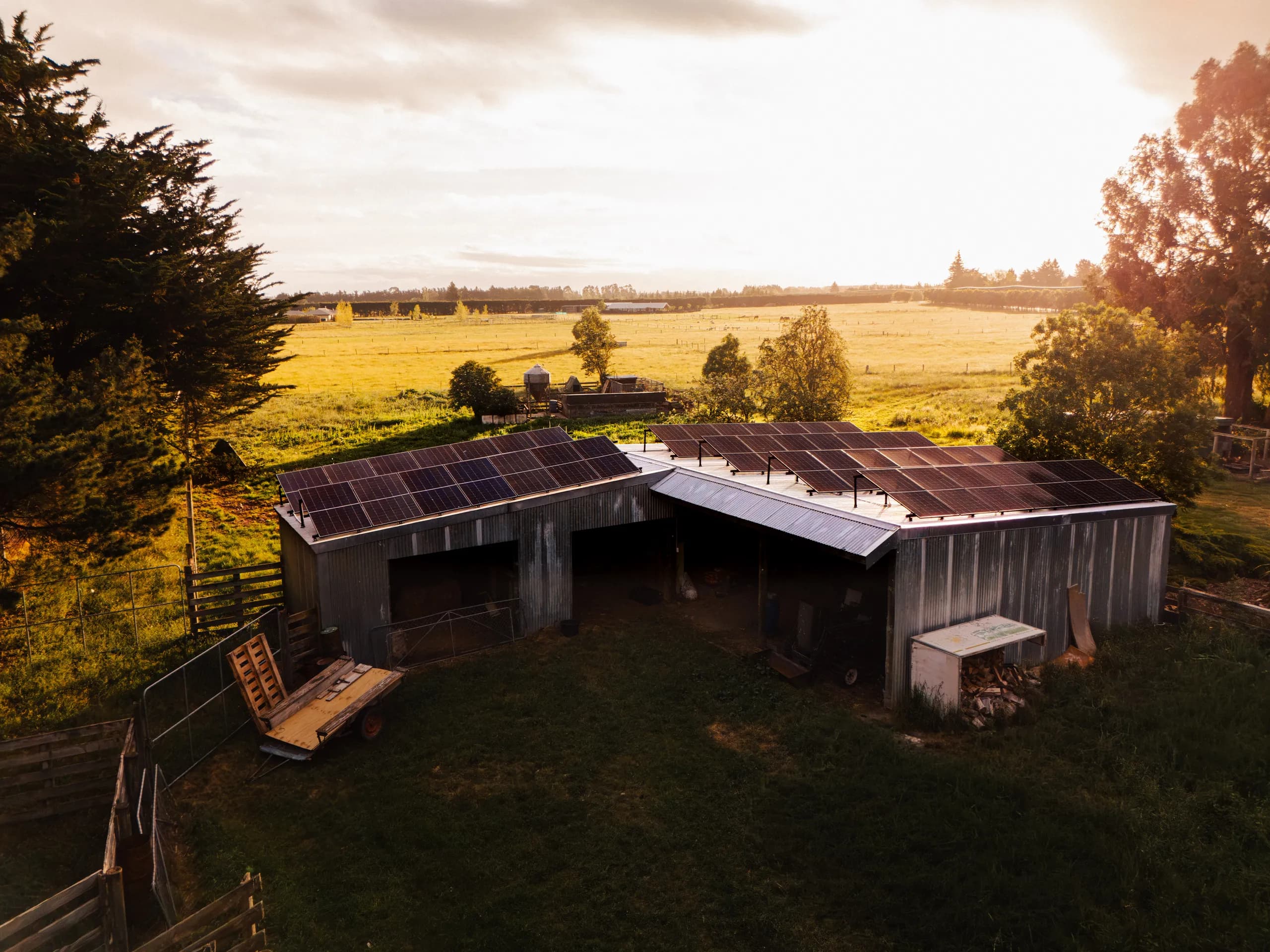
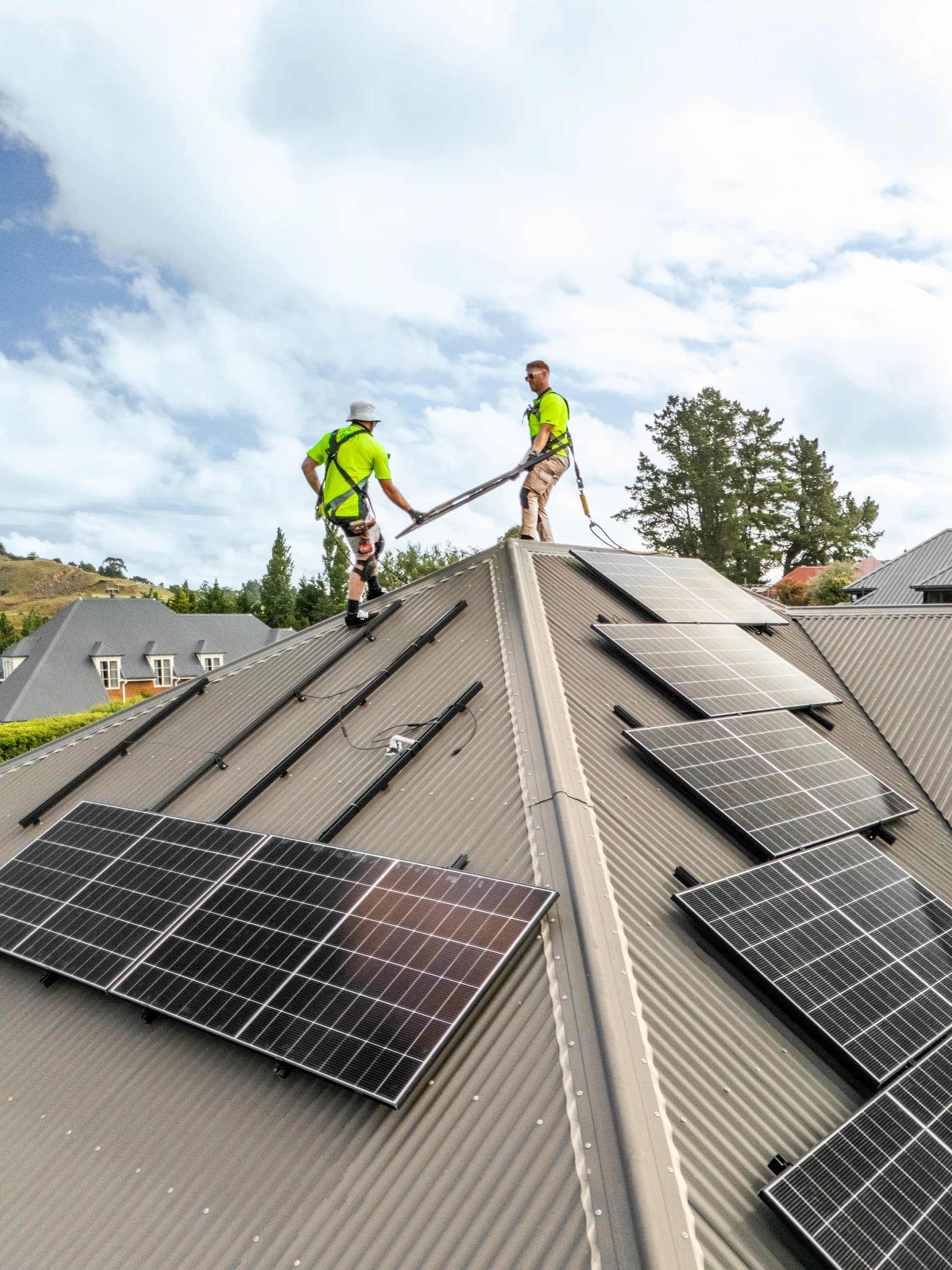
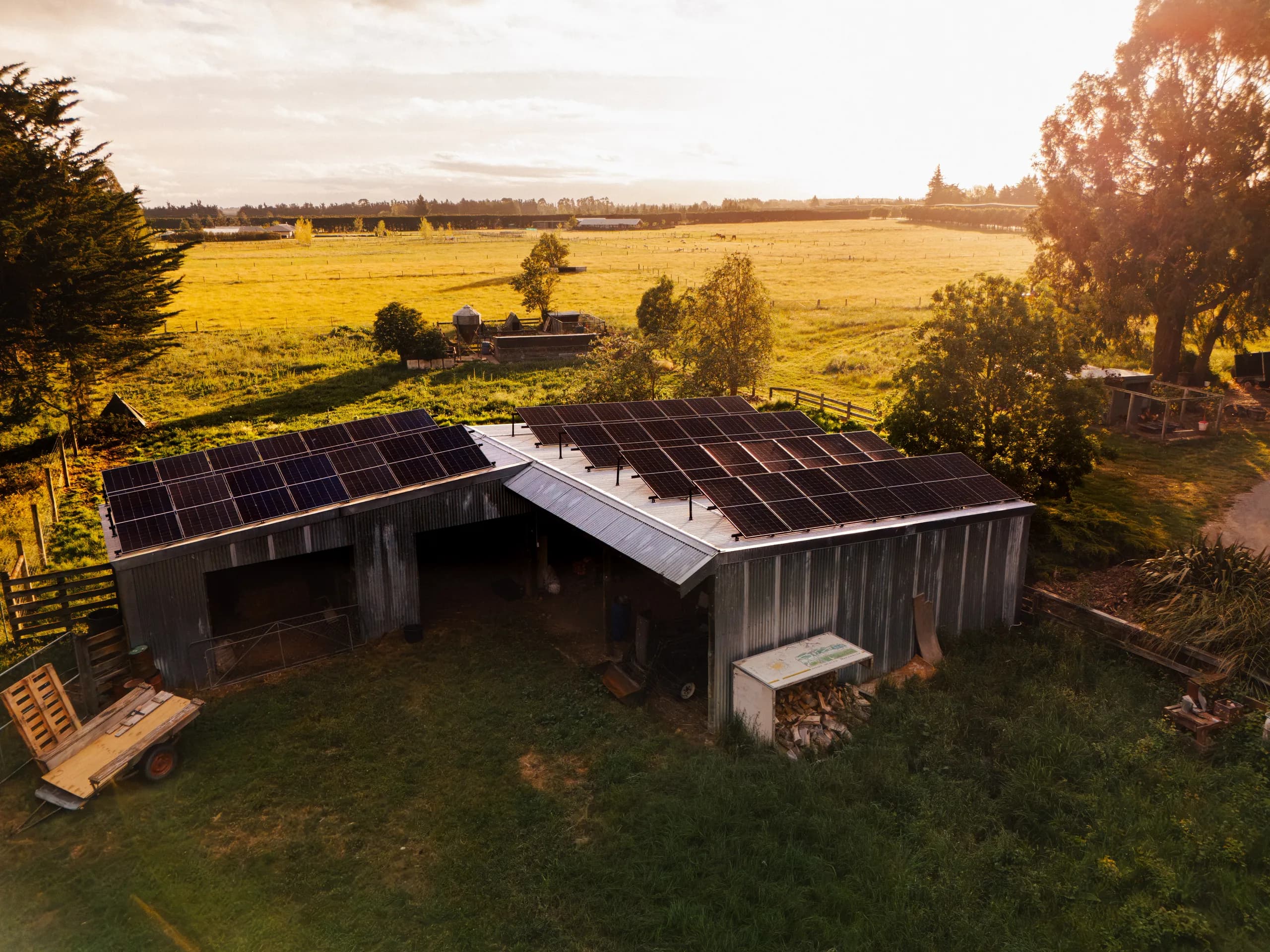
Real Canterbury installs
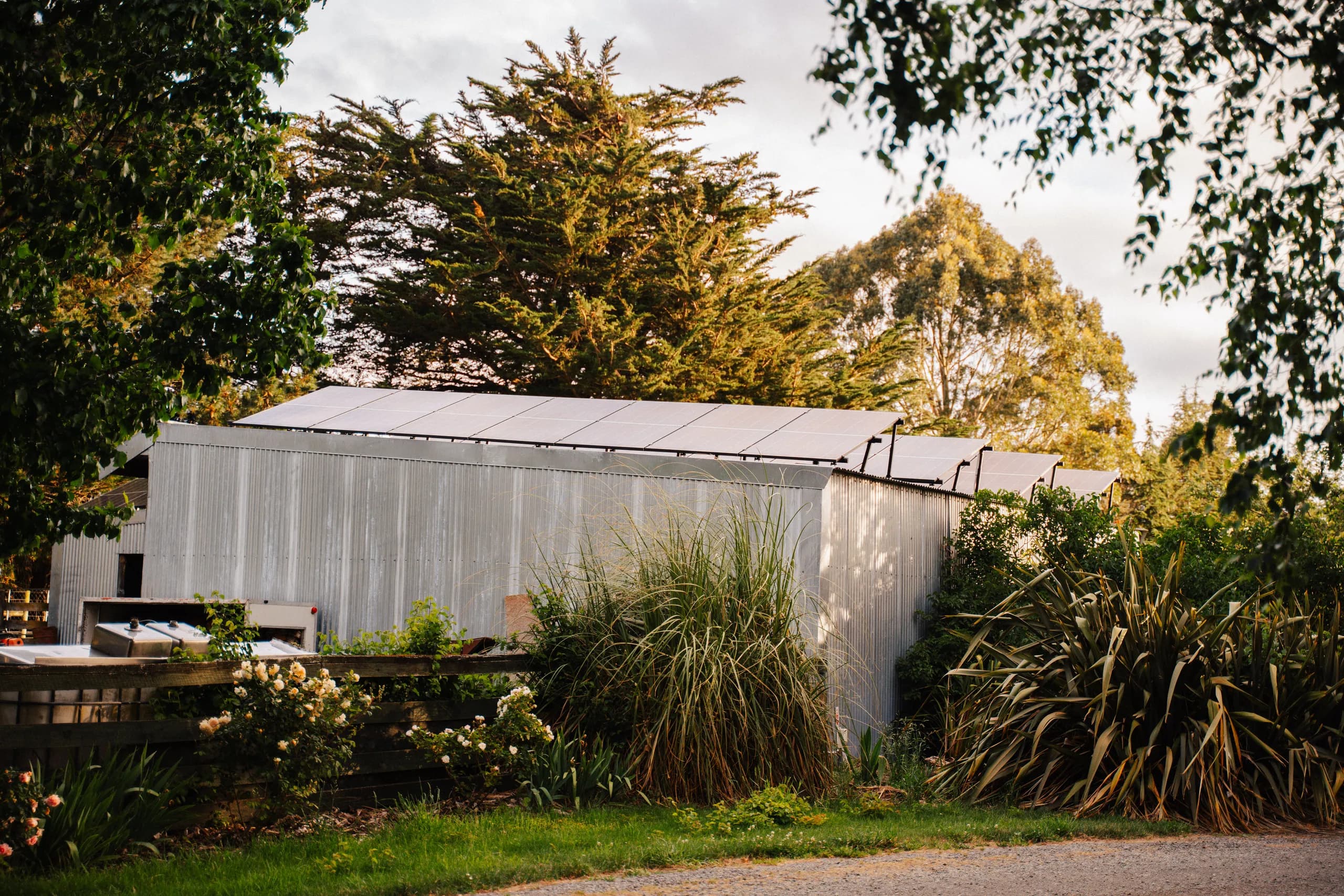
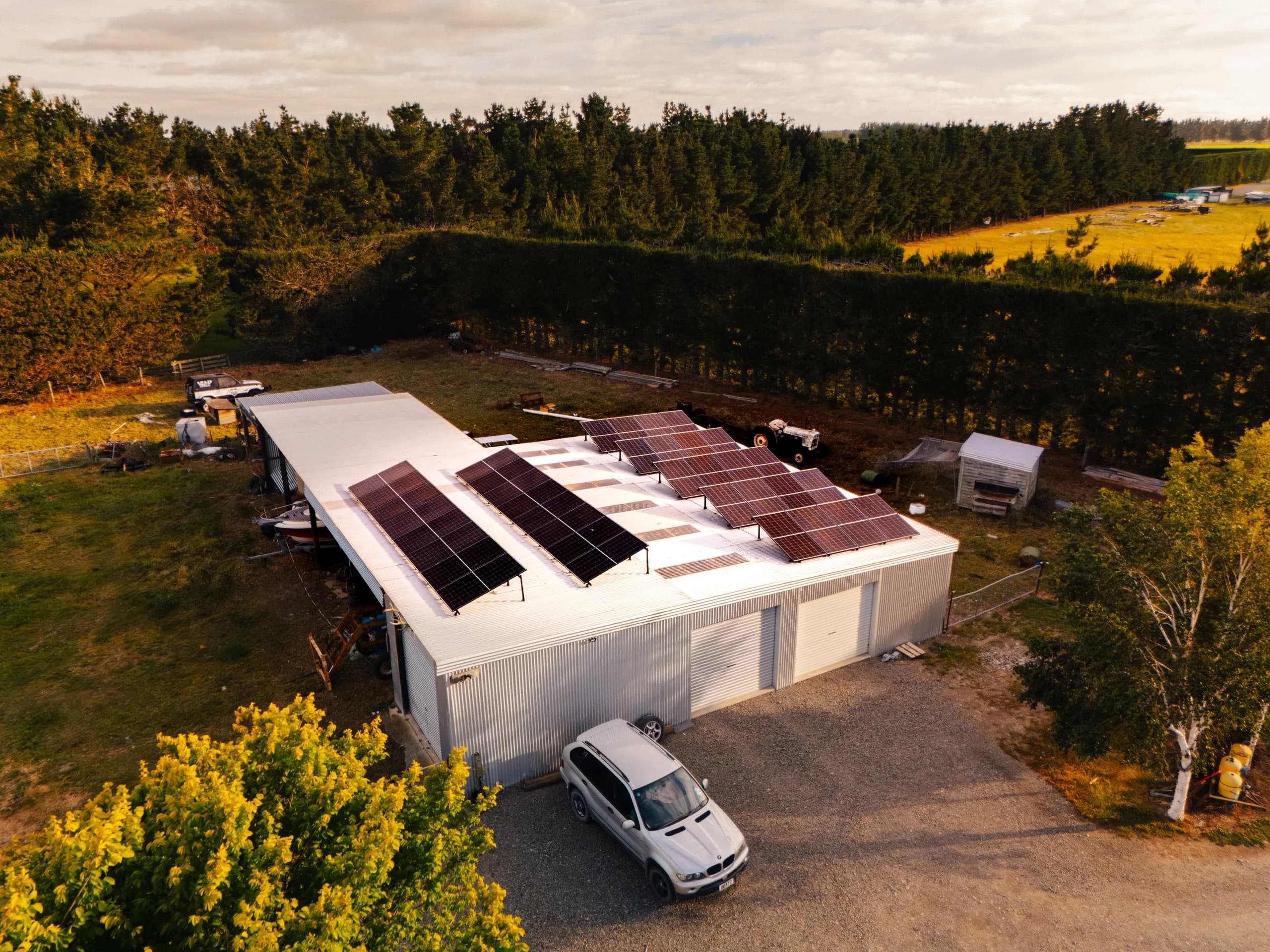
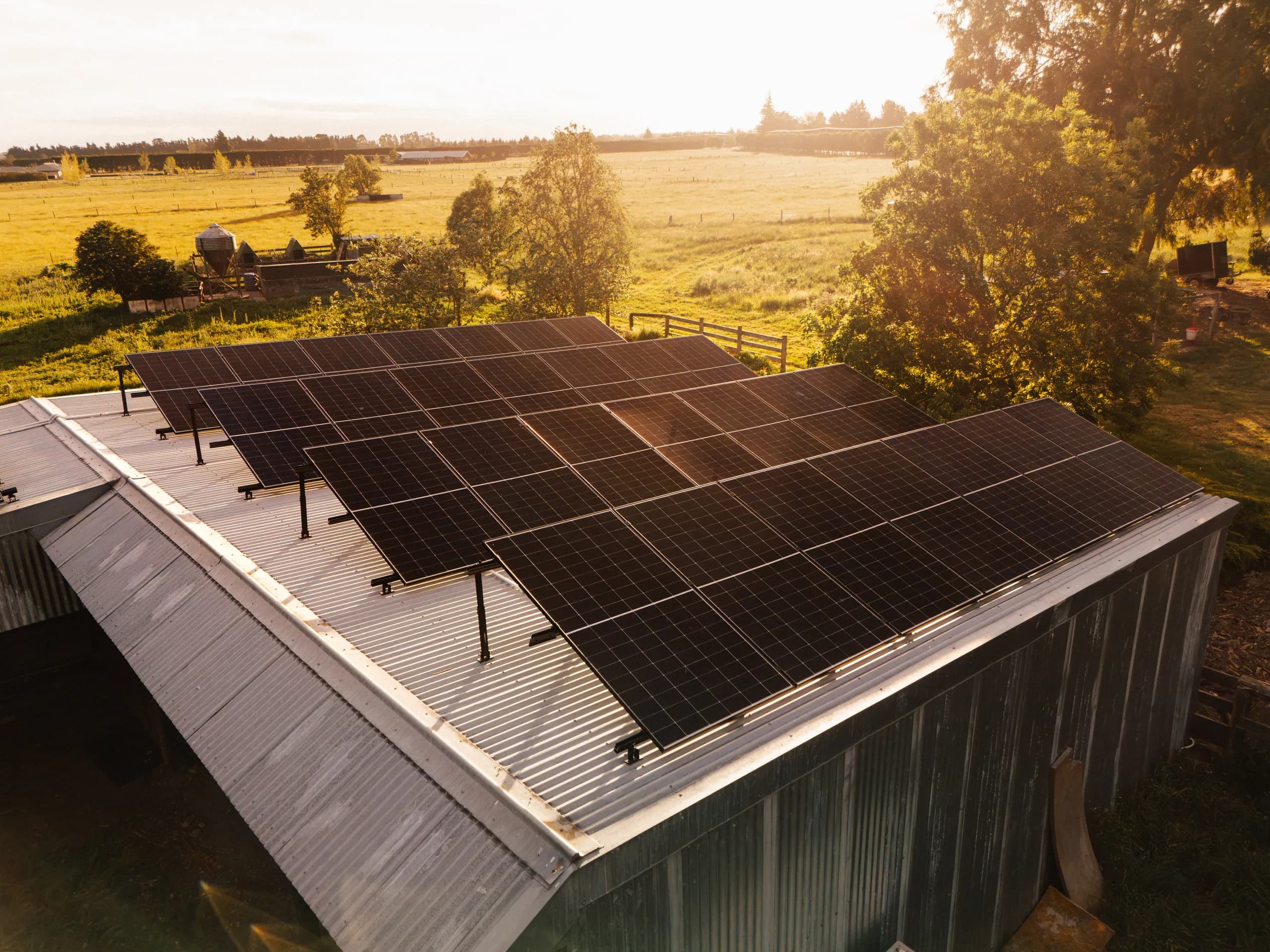
Panels on roofs, all over Canterbury.

Grid export, demystified
Your roof can earn while you’re out.
When your panels make more than you’re using, the surplus flows to the grid and your retailer credits you for it. The catch is timing: you make the most power at midday when the house may be empty, and potentially use the most at night when the sun has gone down.
A typical day on a Canterbury roof
The shape of a sunny day, not your numbers · yours depends on roof, season and householdMidday: the house may be empty and the panels are generating max power, so the surplus is sold to the grid.
Evening: everyone’s home and the sun has gone down, so you buy power back at the priciest time of day.
So: a unit you use yourself is worth more than one you export. We size to your needs, not a brochure.
How it works with us
It starts with a site visit.
Satellite images miss crucial details. We evaluate your home in person to create an accurate design.
Consultation & design
We visit your home to properly assess your property & needs, designing a system to suit you.
Installation
Our own licensed electricians install everything: tidy, certified, and usually done in a day or two.
Savings
We set up your live monitoring app and walk you through exactly what your system is earning and saving.
Aftercare
We stay your electricians. Questions, maintenance, additions: one local number to call.
Curious what your roof could do?
Start with a ballpark figure from our calculator, or skip straight to a free home visit. Honest advice, no pressure.